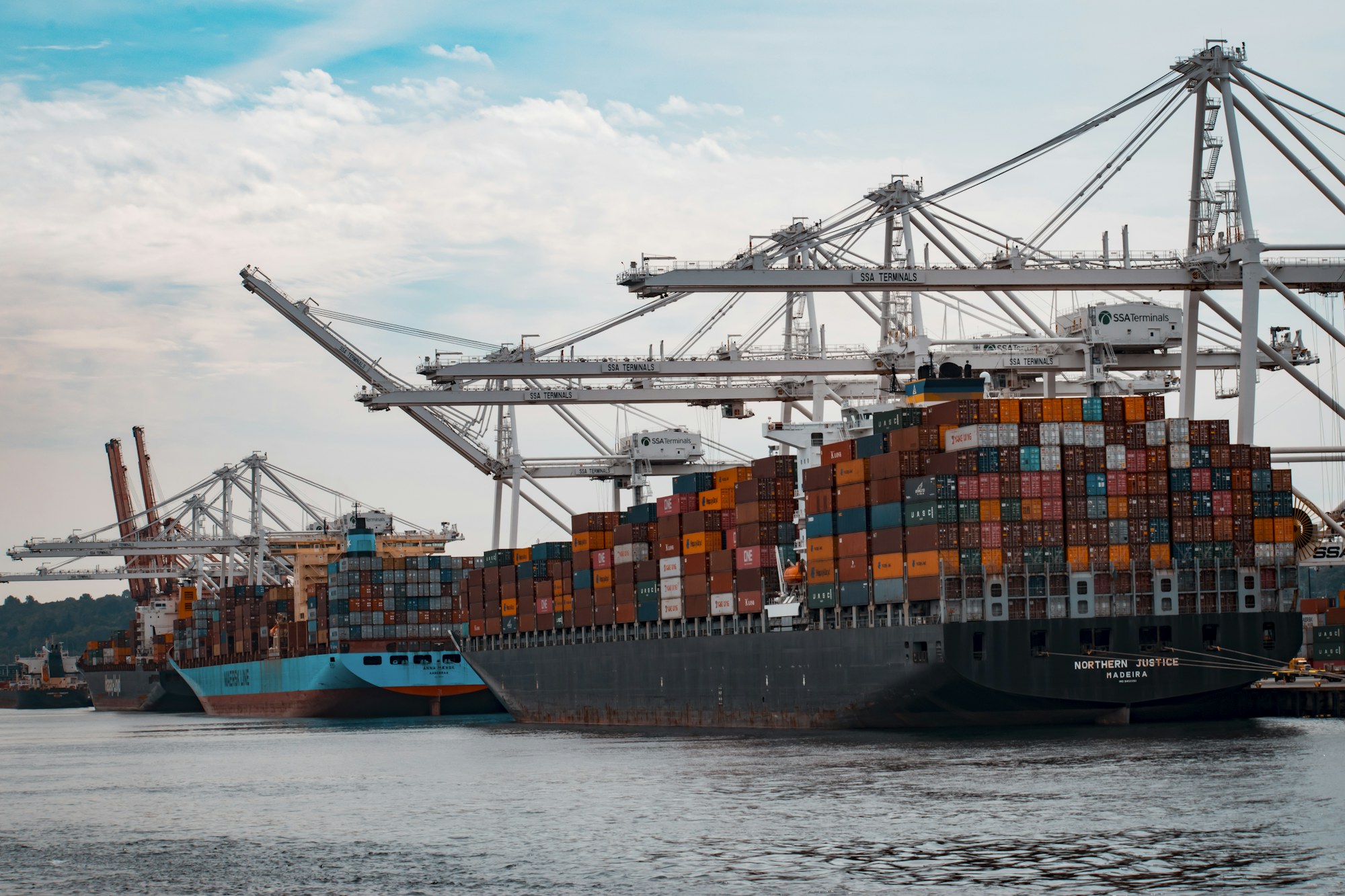
Multimodal transport connects several modes into one continuous solution. We combine road, rail, inland waterway, sea and air in the way that suits your cargo best. Infrastructure, equipment, risk, time and cost all count.
Why multimodal transport?
No single mode is ideal for every route. Road is flexible, rail is economical and sea is cheap for large volumes. Therefore we use the strengths of each mode. For example, a machine travels by truck to the rail terminal, by train to the port and by ship overseas.
Our services
- Planning the optimal route across several modes
- Door-to-door execution under one contract
- Personal supervision of critical handling points
- Coordination of dates between all parties
- Continuous documentation and customs clearance
- Insurance for the entire route
Handling points under control
Most damage happens during handling, not during the journey. That is why we are personally present at critical points. We check lifting operations, load securing and documents. In addition, we stay in contact with terminals, shipping lines and hauliers. As a result, the chain remains seamless.
Intermodal or multimodal?
In intermodal transport, the cargo stays in the same loading unit, such as a container. In multimodal transport, the cargo may also change its loading unit. We advise you which option is cheaper and safer for your shipment.
Multimodal transport for projects
In plant projects in particular, multimodal transport is often unavoidable. Large components reach the port by heavy haulage and then go to sea as breakbulk or Ro/Ro. At destination, a truck takes over on-carriage again. We plan this chain completely before the first transport starts.
What multimodal transport costs
Many clients expect several modes to be more expensive. Often the opposite is true, because long distances by rail or ship are cheaper. Therefore we compare several options with costs and transit times for you.
Request a solution
Send us origin, destination and cargo data via our contact form. Read more about individual modes under rail freight and ocean freight. The EU strategy on combined transport is available from the European Commission.